Most operations still rely on a mix of classroom sessions, toolbox talks, and limited on‑equipment training. It’s better than nothing, but it has some built‑in constraints:
-
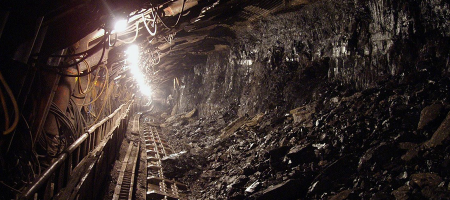
You can’t easily recreate high‑risk, low‑frequency events (fire, fall of ground, equipment failure, process upsets) without exposing people to real danger.
-
Training quality is inconsistent. The experience your night shift contractor gets on Tuesday is often very different to what your core crew gets on Thursday.
-
Taking operators away from the pit, plant, or workshop for training has a direct cost in lost productivity and travel.
At the same time, mines are getting deeper, equipment is more complex, and ESG expectations around safety and competency keep rising. The old model is creaking.
What VR can actually do for a mine site
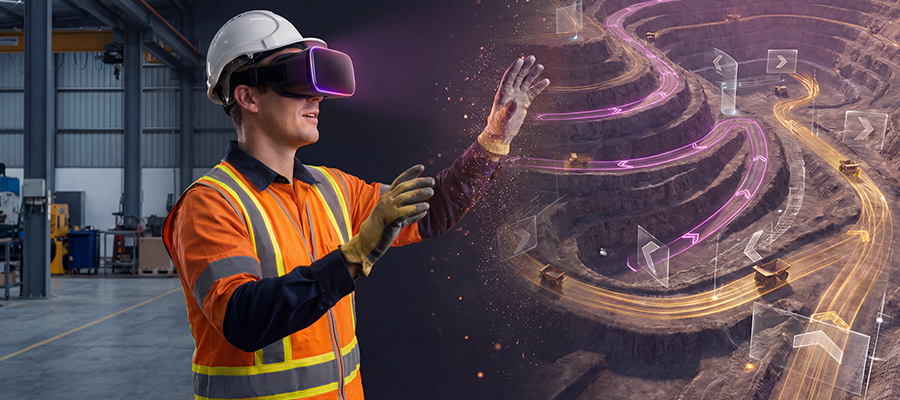
This is where virtual reality mine training starts to earn its keep. Well‑designed VR programs let you:
-
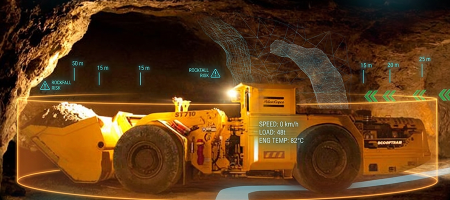
Simulate hazardous scenarios in a safe, controlled environment – from underground ventilation failures to haul truck near‑misses – and repeat them until correct responses are second nature.
-
Standardise training content globally so every operator, contractor, or new starter sees the same best‑practice procedure, regardless of site or trainer.
-
Shorten time‑to‑competency by giving people “reps” before they ever touch real equipment or step onto a live site.
Used properly, VR becomes less about “wow factor” and more about building a safer, more confident, and more productive workforce.
High‑value VR use cases in mining
-
Safety and emergency response: Fire, evacuation, gas events, falls from height, LTI scenarios – drilled repeatedly in VR instead of waiting for the real thing to go wrong.
-
Underground and plant familiarisation: Let new starters and visitors navigate a digital twin of your site before they arrive, so the first real shift is about performance, not orientation.
-
Heavy equipment and process training: Haul trucks, loaders, drills, crushers, mills – operators can practise procedures, faults, and abnormal conditions without risking a machine or a shift.
-
Contractor and shutdown induction: Deliver consistent, high‑quality inductions at scale, even when you are bringing in large shutdown crews or rotating contractors frequently.
These are the areas where we see VR projects pay for themselves fastest through reduced incidents, tighter compliance, and less disruption to production.
What mining leaders should ask before investing in VR
The technology has matured, but the questions you ask up front still matter more than the brand of headset:
-
Which specific risks or training gaps are we targeting?
-
How will we measure success – fewer incidents, faster onboarding, less downtime?
-
Can this content be updated easily as our site, fleet, or procedures change?
-
Will our supervisors and training teams actually adopt this, or will it sit in a cupboard?
If you can’t answer those questions clearly, you don’t have a VR strategy – you have a gadget.
At Vast Visual, we focus on VR training and visual simulations that are built from the ground up for mining environments – from safety scenarios and equipment procedures to full site walk‑throughs. If you’re exploring virtual reality mine training and want to sanity‑check a use case or idea, I’m happy to share what we’re seeing work (and not work) across the industry.